



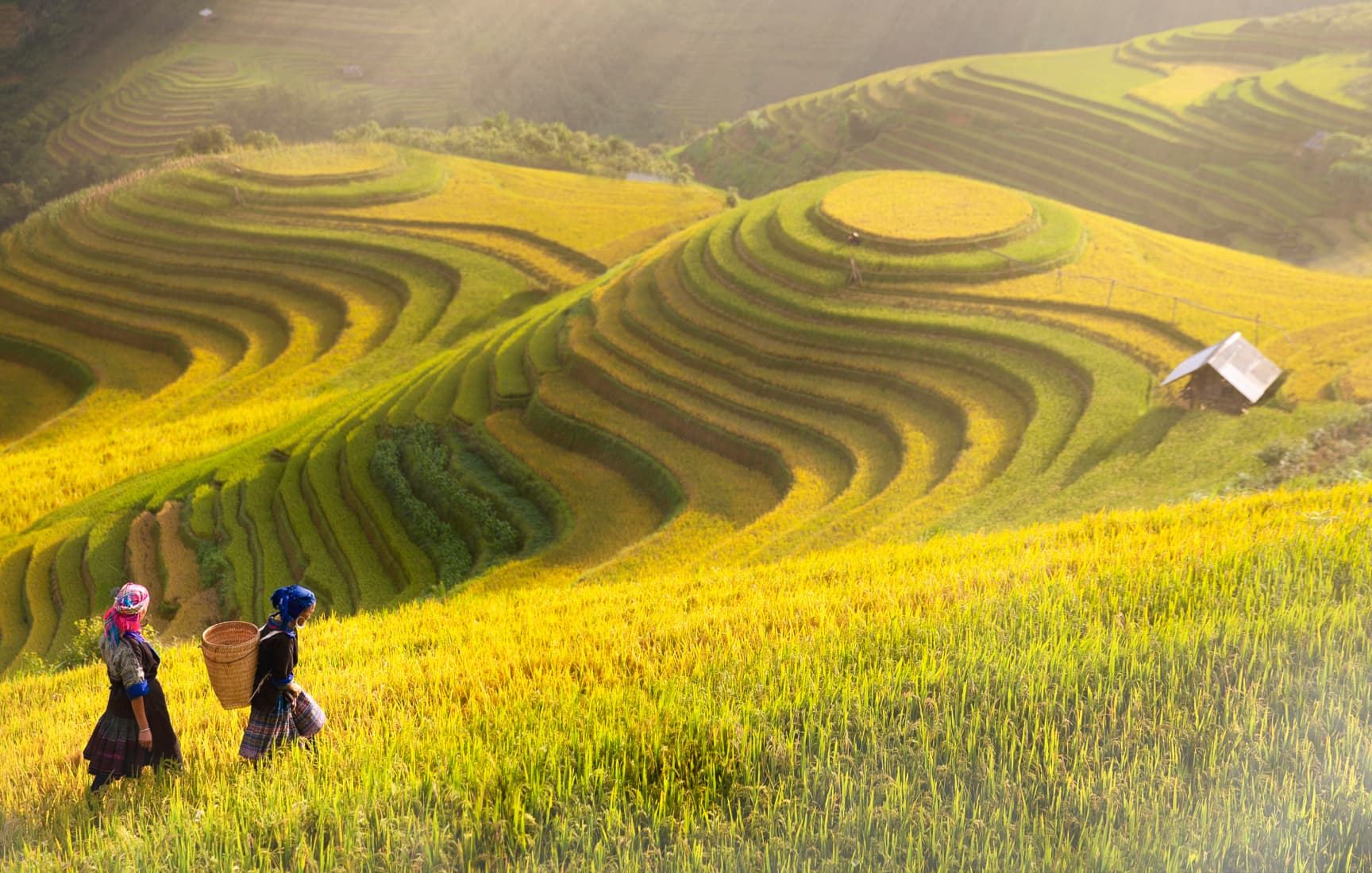


If you’re planning to explore northern Vietnam but find yourself torn between the Ha Giang Loop or Sapa, you’re not alone. This is a question that many first-time international travelers ask. On one hand, there are winding mountain passes amid dramatic rocky peaks; on the other, lush terraced valleys and tranquil ethnic villages. So, in the end, Ha Giang Loop or Sapa, which one is the ideal choice for your adventure?
In this article, ZingHome Ha Giang breaks down every aspect: from location, transportation, scenery, and culture, to adventure level, costs, and practical tips, helping you choose the destination that best fits your travel style.
Location & Accessibility
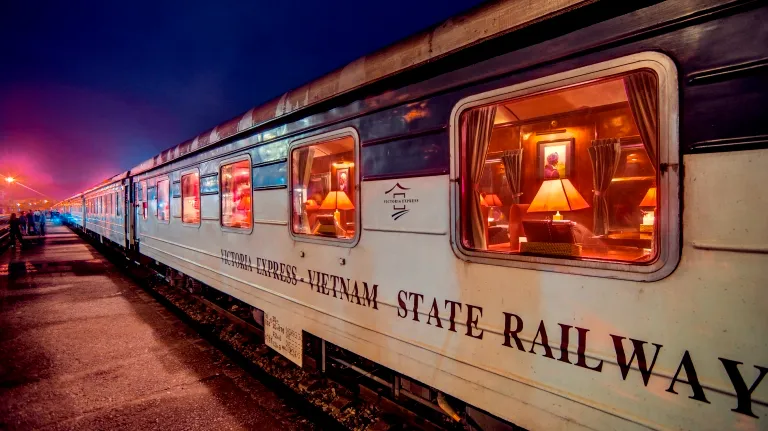
A relaxing overnight train ride from Hanoi to Sapa — a great start before choosing your adventure.
Before embarking on your adventure, let’s take a look at where these two destinations are located and how to reach them most easily.
Where is Ha Giang Loop?
Ha Giang Loop is located in the far north of Vietnam, about 300 km from Hanoi. This legendary motorbike route typically takes 3–5 days, winding through the districts of Quan Ba, Yen Minh, Đong Van, and Meo Vac. Ha Giang’s beauty lies in its sharp karst peaks, terraced fields clinging to steep slopes, and dramatic deep valleys, most notably Tu San Canyon and Ma Pi Leng Pass. It’s a must-ride route for anyone passionate about exploring Vietnam’s mountainous landscapes. If you’re wondering whether to choose Ha Giang Loop or Sapa, the remote and untouched nature of Ha Giang is a major advantage, offering a truly “off-the-beaten-path” experience.
Where is Sapa?
Sapa is a famous mountain town in Lao Cai Province, about 315 km from Hanoi, sitting at an elevation of roughly 1,600 meters. It’s well-known for its cool weather year-round, rolling mountain ranges, and especially its terraced rice fields, recognized as a national cultural heritage site and considered among the most stunning rice terraces in the world. Sapa is also the gateway to Fansipan, the “Roof of Indochina.”
One of the biggest differences when comparing Ha Giang Loop or Sapa is that Sapa has a bustling, fully developed tourist town at its center, with hotels, restaurants, and modern comforts that have been around for many years.
How to Get There
Accessibility plays a big role when deciding between the Ha Giang Loop or Sapa. Both destinations are reachable from Hanoi, but the transportation options—and the overall travel experience- are quite different.
Getting to Ha Giang Loop: From Hanoi to Ha Giang Loop, travelers typically choose one of three main options:
- Sleeper Bus: This is the most popular and budget-friendly choice. Buses usually depart from major stations in Hanoi (such as My Dinh) between 8–10 PM and arrive in Ha Giang early the next morning. The ride takes about 6–7 hours, and tickets cost around 350,000 VND per person. Reliable companies include Bang Phan, Quang Nghi, Quang Tuyen, Ngoc Cuong, and others.
- Limousine Bus: A more comfortable upgrade, offering spacious seats or private cabin-style berths. It’s pricier than a regular sleeper bus but totally worth it if you want a better rest and extra energy to start your Ha Giang Loop adventure right away.
- Motorbike: For the true adventurers, riding from Hanoi to Ha Giang by motorbike is an epic experience. It takes about 8–10 hours, and while it’s physically demanding, it offers complete freedom and incredible scenery along the way.
Getting to Sapa: Sapa offers more diverse transportation options, including the famous overnight train:
- Overnight Train to Lao Cai + Bus to Sapa: This is a classic and romantic way to reach Sapa, loved by many travelers. The night train from Hanoi to Lao Cai Station takes around 8–9 hours. From there, you’ll need to take a 1-hour bus or taxi up the mountain to reach Sapa town. It’s comfortable, scenic, and perfect for those who enjoy slow travel.
- Sleeper Bus & Limousine: Similar to Ha Giang, you can also take a direct sleeper bus or limousine from Hanoi to Sapa via the Hanoi–Lao Cai Expressway. This option is much faster than the train, taking only 5–6 hours. It’s an excellent choice if you want to save time and get to Sapa as quickly as possible.
Ha Giang Loop – In-Depth Analysis
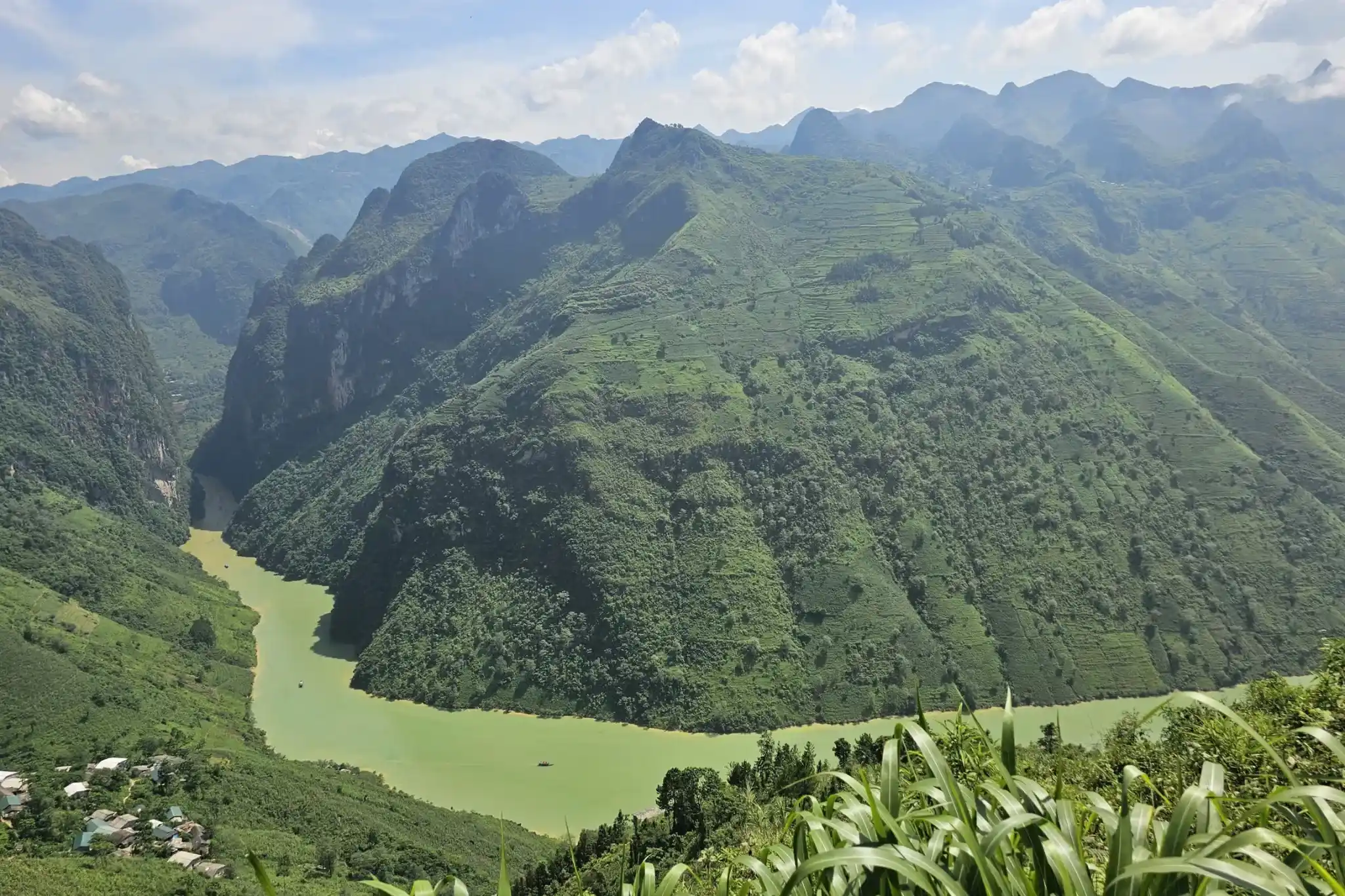
The iconic emerald river winding beneath the Ma Pi Leng Pass — a must-see in northern Vietnam
Having touched on location and accessibility, let us delve deeper into the captivating aspects of the Ha Giang Loop, focusing on its stunning landscapes, rich cultural experiences, and adventurous activities awaiting thrill-seekers.
Stunning Landscapes & Nature
What truly defines the Ha Giang Loop is its dramatic and untamed landscape. This is the beauty of raw nature, where countless jagged limestone “cat-ear” peaks stretch endlessly across the Dong Van Karst Plateau.
Dong Van Karst Plateau: Recognized by UNESCO as a Global Geopark in 2010, this region showcases millions of years of geological evolution. The giant limestone formations, deep valleys, and rugged mountain walls create a one-of-a-kind natural masterpiece. It’s a must-see highlight when comparing Ha Giang Loop or Sapa.
Ma Pi Leng – One of Vietnam’s Four Greatest Mountain Passes: Often called the most stunning yet dangerous pass in Vietnam, Ma Pi Leng Pass sits at over 1,500 meters above sea level on the Happiness Road connecting Dong Van and Meo Vac. The pass clings to towering limestone cliffs while the emerald Nho Que River winds far below, forming one of the most breathtaking views in all of Northern Vietnam. It’s a defining landmark for anyone debating between the Ha Giang Loop or Sapa.
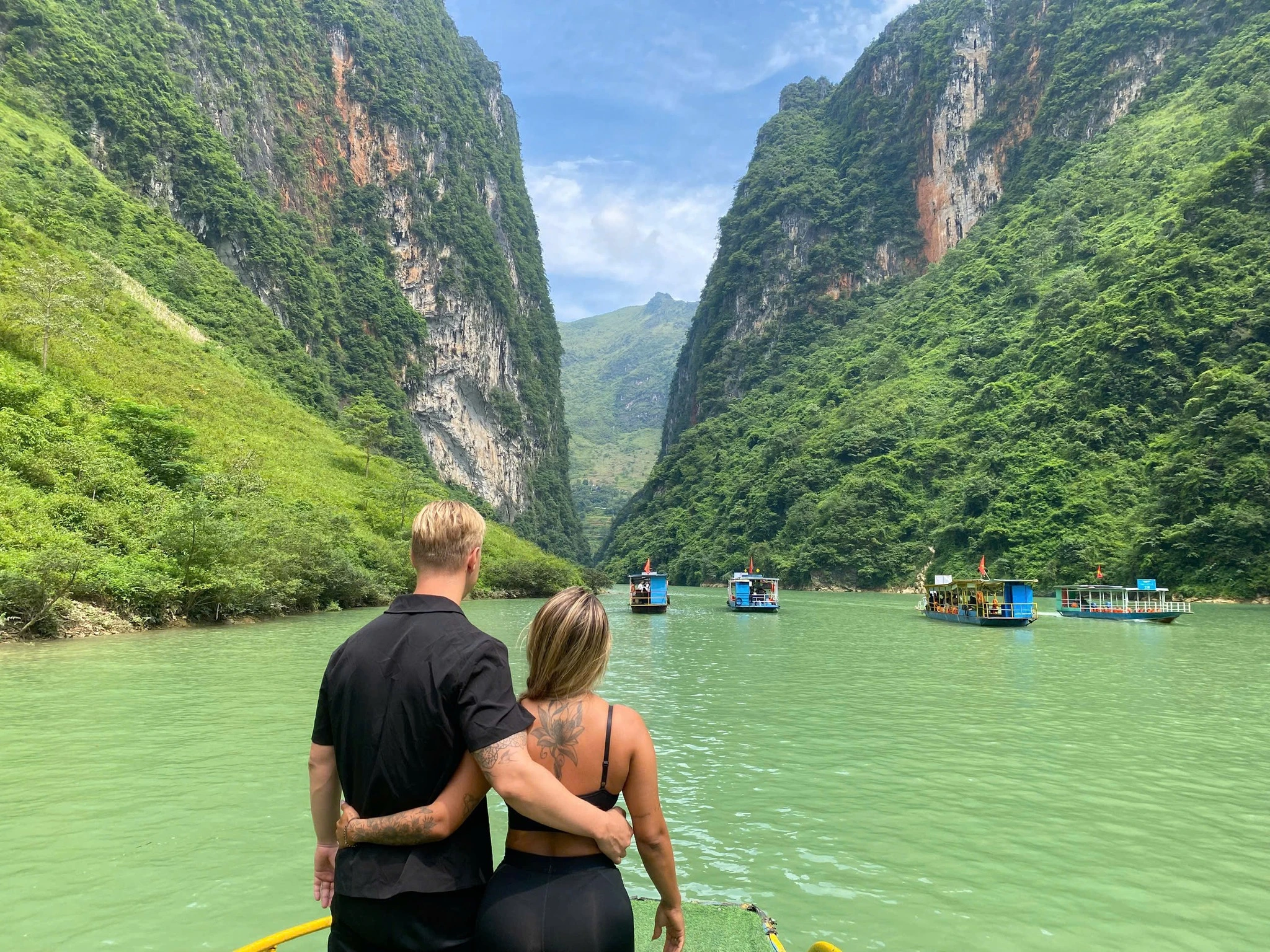
Nho Que River & Tu San Canyon: While Sapa is known for its rice terraces and gentle streams, the Ha Giang Loop proudly showcases the dramatic Nho Que River. This jade-green river flows through Tu San Canyon, the deepest canyon in Southeast Asia. The contrast between the vertical cliffs and the still, mirror-like water creates a surreal and powerful landscape. You can admire this natural wonder from the mountaintop viewpoints or take a boat ride directly into the canyon, an experience completely different from the typical trekking activities in Sapa.
Ethnic Culture & Local Lifestyle
A trip to Ha Giang is not only about dramatic mountains, but it’s also a journey into one of the most culturally diverse regions in Vietnam, home to more than 20 ethnic groups.
People & Daily Life: Life in the highlands is simple, authentic, and warmly welcoming. As you pass through villages like Lung Cu, Pho Bang, Sung La, or Meo Vac, you’ll see H’Mong mothers carrying babies on their backs, elderly women weaving linen in front of their homes, and children running freely along dusty mountain paths. These small, everyday moments paint a peaceful and deeply genuine picture of local life.
Ethnic Markets: No cultural exploration of Ha Giang is complete without experiencing its famous highland markets, vibrant gathering places where locals trade goods, meet friends, and celebrate community life. Popular markets include Dong Van, Meo Vac, and Quan Ba. Here, you’ll see colorful traditional clothing, try dishes like “thang co,” sip corn wine, and feel the spirit of centuries-old trade culture.
Traditional Festivals: Ha Giang also stands out for its unique festivals, each reflecting the spiritual beliefs and long-standing traditions of the local ethnic groups. Notable events include the Khau Vai Love Market Festival, the Buckwheat Flower Festival, the Gau Tao Festival of the H’Mong, and the Cap Sac Ceremony of the Dao people. These seasonal celebrations offer travelers an unforgettable chance to witness culture in its most authentic form.
These rich cultural encounters are a core reason travelers compare Ha Giang Loop or Sapa when seeking the most meaningful local experiences in Northern Vietnam.
Adventure & Activities
If you’re searching for a journey that delivers true adventure, Ha Giang Loop stands in a league of its own. This is where every bend, every steep climb, and every mountain pass sends your adrenaline soaring. When choosing between Ha Giang Loop or Sapa, thrill-seekers almost always lean toward Ha Giang first.
In Ha Giang, you can:
- Ride a motorbike across razor-sharp limestone passes where every viewpoint reveals a sweeping panorama of sky and mountains.
- Take a boat on the emerald Nho Que River, drifting between the towering cliffs of Tu San Canyon, a humbling yet exhilarating experience.
- Trek rugged cliffs, cross waterfalls, and hike steep mountain trails, where nature remains raw and untouched.
- Explore vibrant highland markets, immersing yourself in the colors of ethnic textiles, the aroma of “thang co,” and the lively energy of local hill-tribe culture.
Sapa – In-Depth Analysis
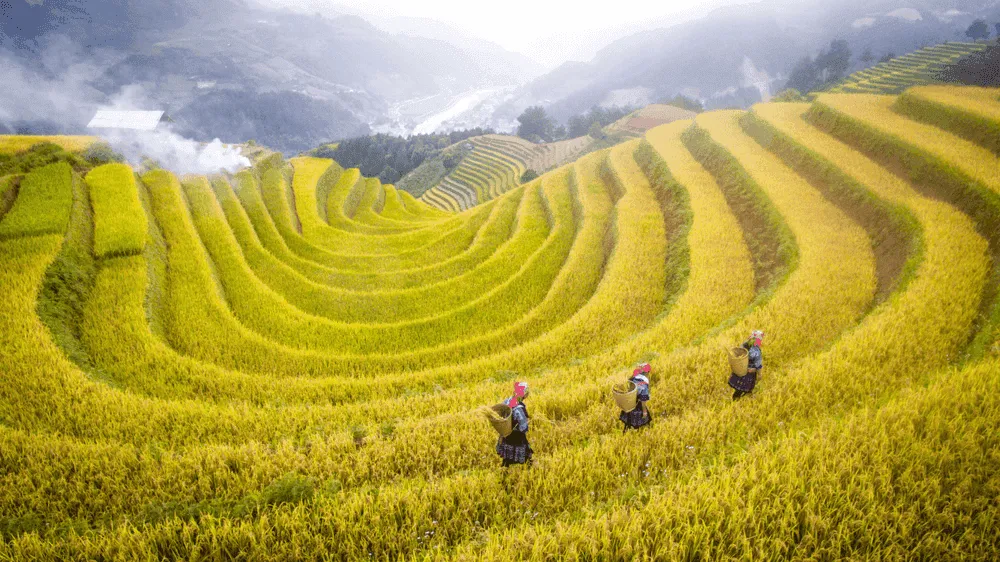
Golden rice terraces cascading down the mountains — a timeless symbol of northern Vietnam
Sapa, one of Vietnam’s most famous travel destinations, offers a more romantic and dreamy atmosphere. When choosing between Ha Giang Loop or Sapa, Sapa often represents comfort, convenience, and easier accessibility for most travelers.
Iconic Terraced Fields & Mountain Landscapes
Sapa’s scenery is famous for its harmonious blend of majestic mountains and impressive human-made agricultural landscapes.
Ta Van & Lao Chai Terraced Fields: These terraced rice fields curve gracefully across the hillsides like giant waves of golden rice. They are especially stunning during the ripe rice season (September–October) or the water-pouring season (May–June). This iconic beauty is something Sapa is widely known for, and it’s a level of popularity that the Ha Giang Loop cannot quite match.
Fansipan Peak – The Roof of Indochina: With a modern cable car system, conquering Fansipan (3,143m) is now easier than ever. Standing at the summit, surrounded by a sea of floating clouds, offers a spiritual yet adventurous experience that attracts countless travelers to Sapa.
Cultural Experiences in Sapa
Sapa is a true cultural crossroads where long-standing traditions blend seamlessly with modern tourism.
Ethnic Minority Communities: Sapa is home to several ethnic groups, with the H’Mong and Red Dao being the most prominent. The Red Dao people are easily recognized by their elaborate red headscarves decorated with silver coins and tassels. The H’Mong in Sapa share many similarities in clothing and lifestyle with those in Ha Giang, but they are generally more accustomed to tourism and visitor interactions.
Bac Ha Market (Lao Cai): Located about 2–3 hours from Sapa town, Bac Ha Market is the most famous and worthwhile ethnic market in the Lao Cai region. The market includes a vibrant livestock section—selling buffaloes, horses, and even dogs—creating a lively and unique atmosphere. However, visiting Bac Ha requires an extra full day, which is something travelers should consider when comparing Ha Giang Loop or Sapa in terms of time and convenience.
Traditional Festivals (Colorful Cultural Events): Sapa hosts a variety of cultural festivals, many of which are organized alongside tourism events and attract large crowds:
- Khen Hoa Festival: A celebration where H’Mong men showcase their skills with the traditional bamboo flute and perform traditional dances.
- Gau Tao Festival: Also present in Sapa, this festival is held by the H’Mong to pray for luck and prosperity.
- “Going to the Field” Festival: Celebrated by the Tay and Giay people to mark the start of a new farming season.
Adventure & Activities
Sapa is a paradise for travelers who love trekking and discovering nature at a slow, immersive pace.
In Sapa, you can:
- Trek through terraced rice fields – Walk along magnificent layered fields that curve around the mountains like golden silk ribbons during harvest season, offering an experience that’s both poetic and deeply connected to local life.
- Conquer Fansipan – the “Roof of Indochina,” where visitors can either hike or take the cable car to admire a breathtaking sea of clouds at over 3,000 meters above sea level.
- Visit ethnic villages such as Cat Cat, Ta Van, and Lao Chai – Explore the daily life of the H’Mong and Red Dao communities, taste traditional mountain cuisine, and listen to the rhythmic sound of weaving looms inside old wooden houses.
- Chase cloud oceans at O Quy Ho Pass – One of Vietnam’s “Four Great Passes,” where clouds float right beneath your feet, creating a surreal, heaven-like atmosphere.
If you’re trying to choose between Ha Giang Loop or Sapa, Sapa is the ideal option for those who enjoy trekking, gentle walks, and relaxing in nature rather than riding motorbikes through daring mountain passes.
Direct Comparison: Ha Giang Loop vs Sapa
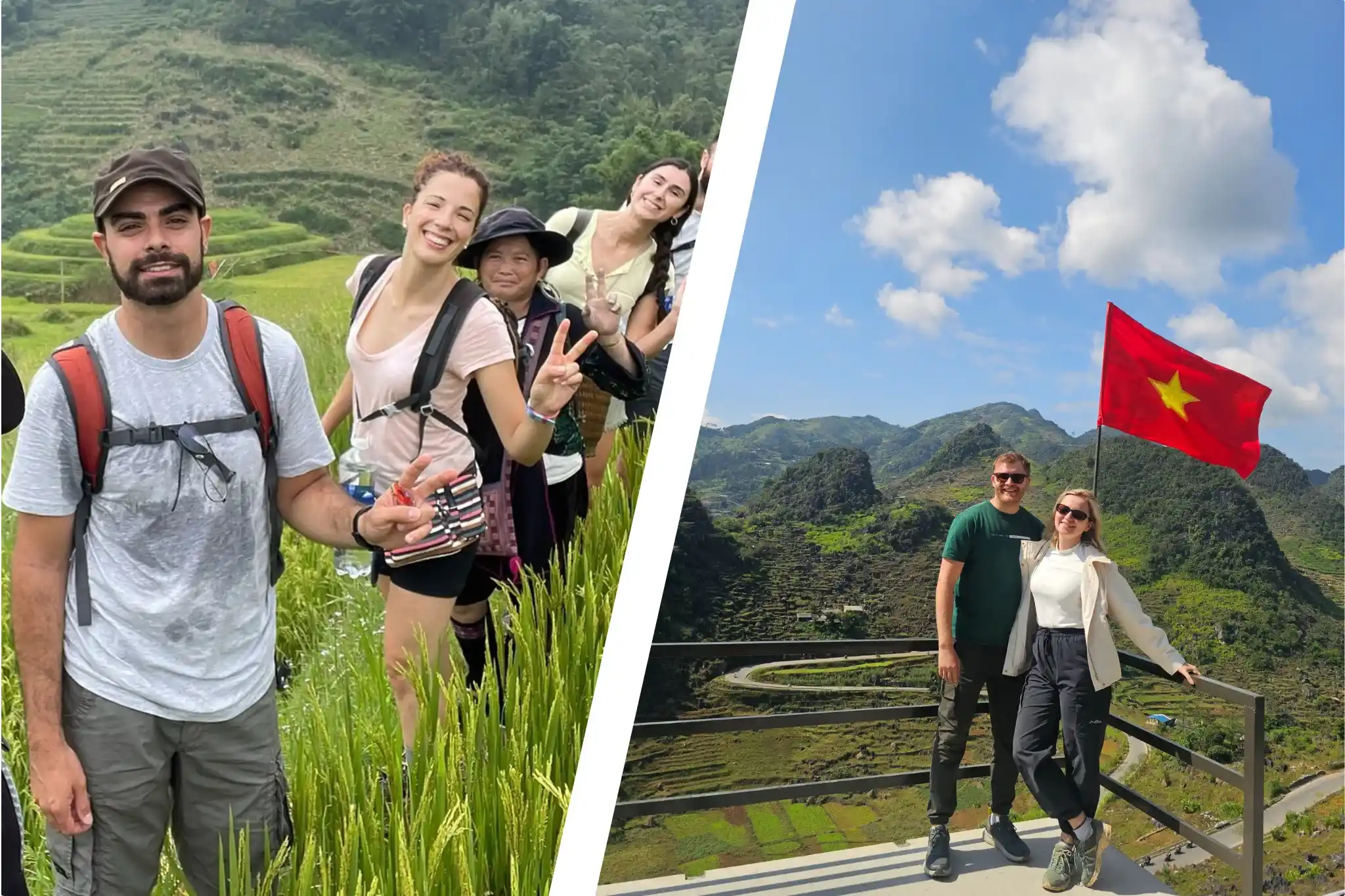
Direct comparison between Ha Giang Loop or Sapa for first-time visitors
After diving deep into both Ha Giang and Sapa, it is clear that each offers distinct experiences tailored to various traveler preferences.
Scenery & Nature
When comparing the scenery of both destinations, both offer natural beauty, yet differ significantly in atmosphere.
- Ha Giang Loop: Characterized by rugged landscapes, limestone mountains, and remote charm. Its dramatic mountain passes present awe-inspiring views, grand cliffs, and winding roads that foster a sense of adventure.
- Sapa: Dominated by lush terraced rice fields and majestic mountain views, known for its picturesque charm. Sapa’s smooth roads provide comfortable access to scenic vistas that attract many travelers.
Cultural Experiences
The cultural experiences in Ha Giang Loop or Sapa are both valuable, but they differ in authenticity and the way travelers interact with local communities.
- Ha Giang: Ha Giang offers a more authentic and untouched cultural experience. Many ethnic groups, such as the H’Mong, Dao, and Lo Lo, still maintain their traditional, self-sufficient lifestyles. Interactions with travelers are not as frequent as in Sapa, but they are genuine, warm, and far less commercialized.
- Sapa: Sapa provides a more convenient and accessible cultural experience. It’s easy to join guided village tours or shop for handicrafts. However, many villages near the town have become more commercial, with cultural performances created mainly for tourism rather than everyday life.
Food & Local Cuisine
Mountain cuisine is always a highlight when comparing Ha Giang Loop or Sapa, and each destination offers a unique flavor profile.
- Ha Giang Loop: The food in Ha Giang is rustic, bold, and deeply connected to the mountains. Signature dishes include Thang Co (a traditional hearty stew), Au Tau porridge (a medicinal porridge known for its healing properties), and Buckwheat Cake. The cuisine here is highly local, offering flavors you won’t find anywhere else.
- Sapa: Sapa’s cuisine is more diverse thanks to cultural blending and tourism growth. Visitors can enjoy specialties like Black Chicken, Sapa Salmon and Sturgeon, and a wide variety of street-side grilled dishes. It’s also easy to find international restaurants offering both Asian and Western dishes, something Ha Giang has far less of.
Difficulty & Adventure Level
This is one of the biggest differences when choosing between the Ha Giang Loop or Sapa.
- Ha Giang Loop: The loop is suitable for both beginners and experienced riders, but it still includes steep passes, sharp turns, and narrow mountain roads that require full attention. If you choose an easy rider, the risk drops significantly, allowing you to enjoy the scenery without worrying about driving skills.
- Sapa: Trekking is the main activity in Sapa, making it suitable for all ages and fitness levels. Most of the main paths are easy to walk, and for Fansipan, you can choose between hiking or taking the cable car, making the experience much more accessible and less physically demanding than motorbiking the loop.
Services & Amenities
Sapa and Ha Giang differ in their tourism infrastructure.
- Sapa: Highly developed tourist infrastructure, offering a variety of accommodations, dining options, and guided tours catering to diverse traveler needs.
- Ha Giang Loop: Presents a more basic, rustic experience with simpler lodging, appealing more to those seeking authenticity over luxury.
Cost
The financial aspect is critical in traveler decision-making.
- Sapa: Costs are generally higher due to its developed infrastructure, dining, and accommodation options, with potential premium prices in peak tourist areas.
- Ha Giang: Generally offers more budget-friendly options, particularly for accommodations and local dining, making it appealing for those concerned with travel costs.
Ideal Timing for Visits
Both locations boast unique charm depending on when you visit.
- Best Time for Ha Giang: September to November and March to May are ideal for clear skies and vibrant landscapes, enriching the overall exploration experience.
- Best Time for Sapa: Similarly, the harvest seasons (September to October) and spring (March to April) provide picturesque views and comfortable trekking conditions.
Tips for Choosing: Ha Giang Loop or Sapa

Travel tips for choosing Ha Giang Loop or Sapa based on your preferences
Making the choice between Ha Giang Loop and Sapa can be daunting, as both destinations offer unique experiences.
- Know Your Travel Style: Assess if you prefer adventure and exploration or cultural immersion and comfort. Ha Giang caters to thrill-seekers, while Sapa is perfect for leisurely travel.
- Consider Accessibility: If you favor easy access and amenities, Sapa presents a more straightforward choice. However, if you’re ready for an adventure and don’t mind the journey, Ha Giang awaits.
- Evaluate Time and Budget: Depending on your budget and available time frame, choose a destination that aligns with your travel costs. Ha Giang is generally more budget-friendly, while Sapa could require a higher investment.
- Look for Authentic Cultural Experiences: If connecting deeply with local cultures is a priority, Ha Giang offers a more raw and genuine experience with ethnic communities.
- Time of Year Matters: Select your destination based on seasons to ensure optimal visibility and natural beauty. Each location shines during distinct times of the year.
The Ultimate Solution: Combine Both
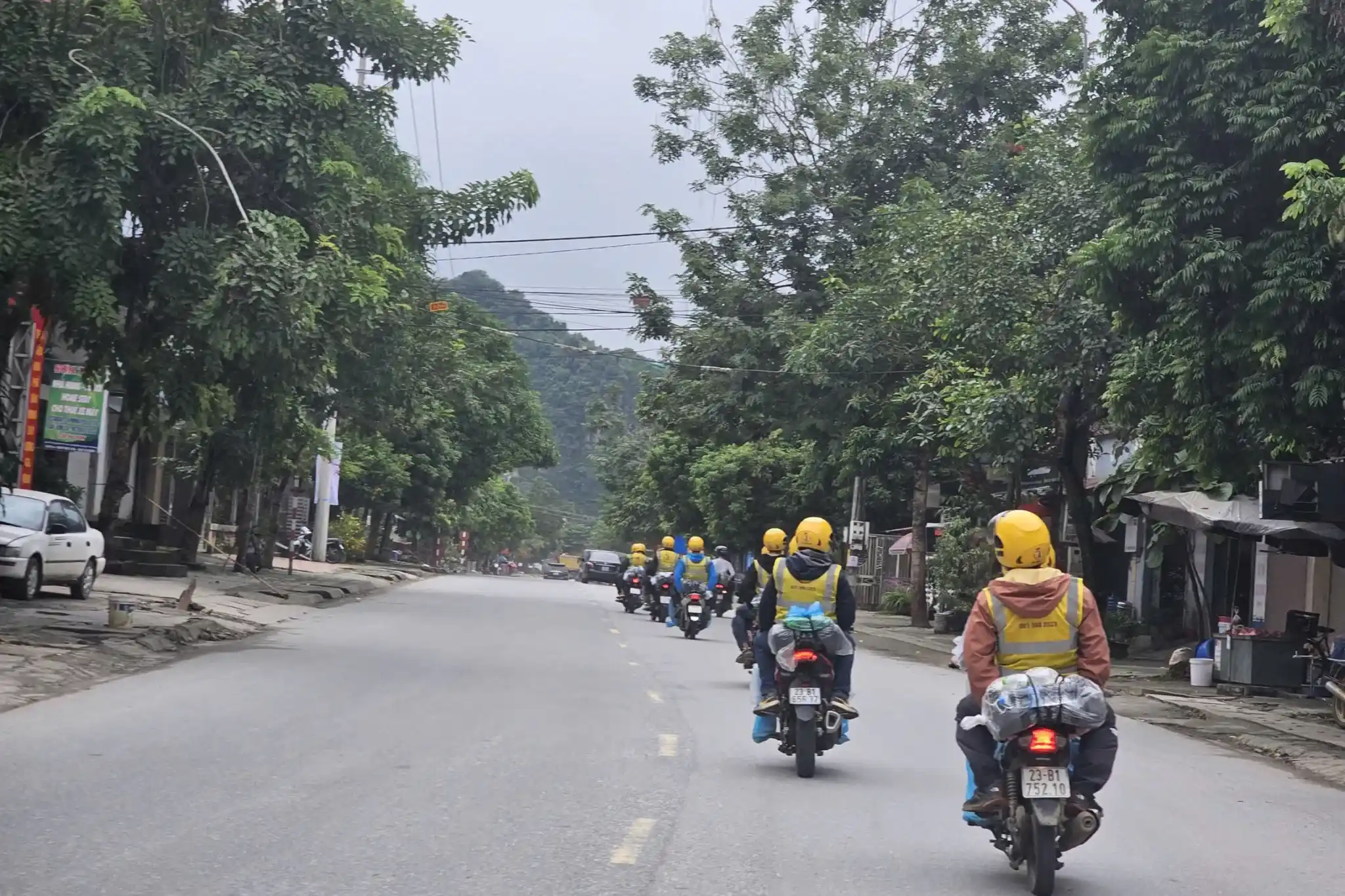
Can’t choose? Combine both destinations for the ultimate 5-day northern Vietnam journey
If you’re still torn between Ha Giang Loop or Sapa, the best answer is simple: do both. In just 5 days, you can enjoy Sapa’s legendary trekking and the adrenaline-filled Ha Giang Loop, a complete, time-efficient, and perfectly balanced adventure. This combo is also one of the most popular choices for travelers booking a Sapa – Ha Giang tour.
Suggested 5-Day Itinerary: Sapa – Ha Giang Loop
- Day 1: Scenic Sightseeing in Sapa: Explore Sapa’s iconic villages, admire the terraced rice fields, and soak in the refreshing mountain atmosphere.
- Day 2: Trekking: Trek through Sapa’s most beautiful valleys, meet H’Mong and Dao ethnic communities, and experience authentic local culture.
- Day 3: Ha Giang – Dong Van: Start your Ha Giang Loop adventure. Conquer spectacular mountain passes and stop at highlights like Bac Sum Pass, Quan Ba Heaven Gate, Twin Mountains, Yen Minh, and the ancient Dong Van Old Quarter.
- Day 4: Dong Van – Du Gia: Experience the Tu San Canyon, the legendary Ma Pi Leng Pass, and some of Vietnam’s most breathtaking roads. End the day in Du Gia — a peaceful green valley village.
- Day 5: Du Gia – Ha Giang: Swim at Du Gia Waterfall, ride through quiet mountain villages, and finish your journey back in Ha Giang City, completing the ideal Sapa – Ha Giang tour.
Read more: Unforgettable Sapa and Ha Giang Tour – Culture, Nature & Motorbikes
In conclusion, whether you choose the Ha Giang Loop or Sapa, both destinations offer unique experiences for every traveler. With their stunning landscapes, rich cultural tapestries, and engaging activities, northern Vietnam’s offerings cater to both the adventurous spirit and those seeking deeper cultural insights. Take the time to evaluate your preferences, and let your journey unfold in this magical region where natural beauty and cultural richness intertwine seamlessly.