



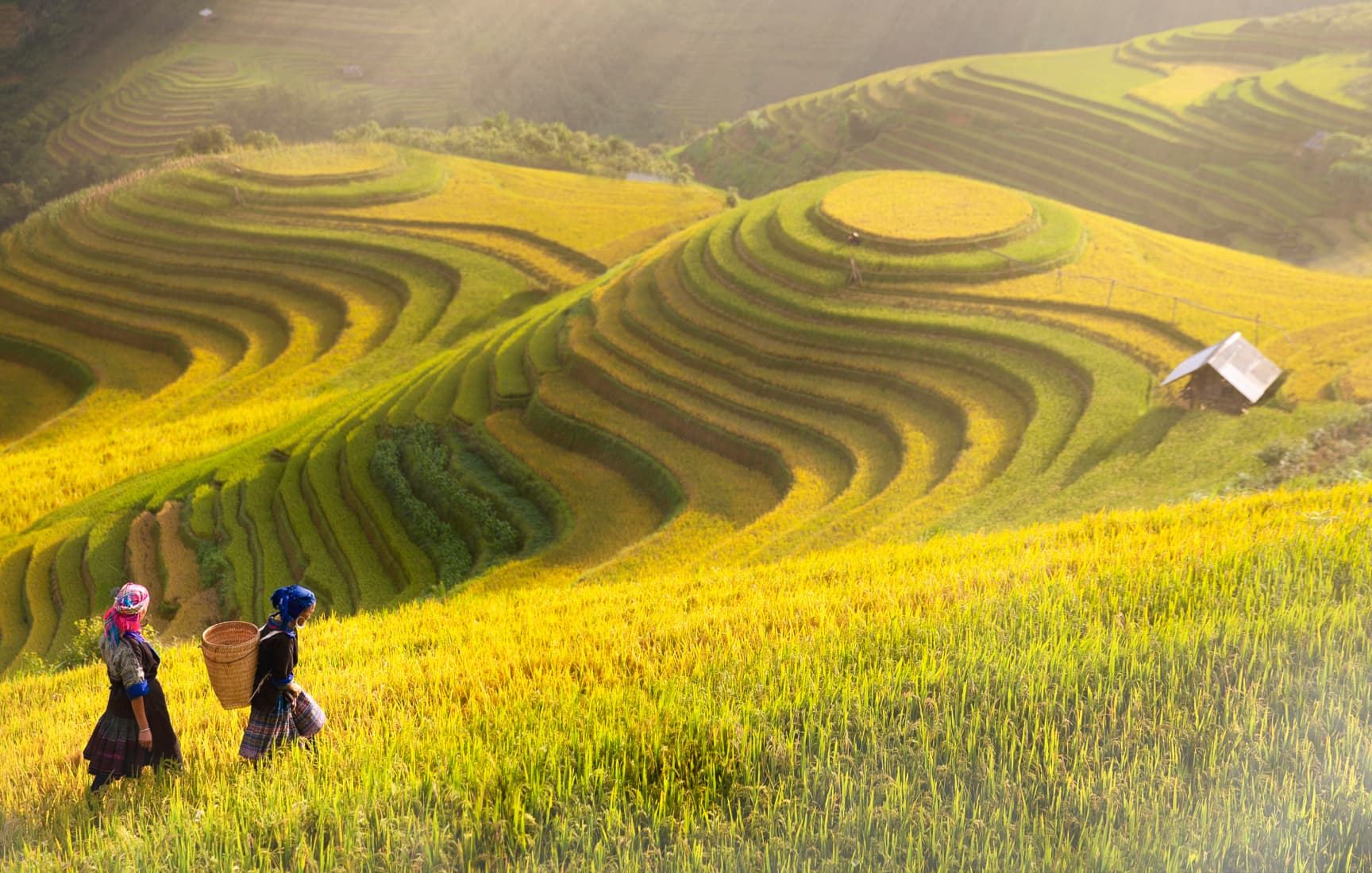


The Ha Giang Loop is not just a road; it’s an adventure that will take your breath away. Picture majestic mountains, deep valleys, and the intriguing culture of Vietnam’s ethnic minorities all encapsulated in one journey. If you crave landscapes that can stir your soul and stories that can enrich your understanding of the world, the winding paths of Ha Giang are calling. Here, we’ll guide you through everything you need to know to embark on this memorable experience, focusing on motorbike rentals and essentials for an unforgettable trip.
Overview of Ha Giang Road
The Ha Giang Loop is a mesmerizing route located in the northernmost province of Vietnam. Spanning approximately 350 kilometers, it meanders through dramatic landscapes characterized by stunning mountain passes, lush valleys, and vibrant local cultures. As you navigate this loop, you’ll encounter various ethnic groups, breathtaking viewpoints, and historical landmarks that tell the rich narrative of the region. From the scenic Ma Pi Leng Pass to the culturally significant Lung Cu Flag Tower, this journey is not just a ride it’s an immersion into the heart of Vietnam’s natural and cultural tapestry.
Key Attractions Along Ha Giang Road
When you set off on the Ha Giang Road and begin the legendary Ha Giang Loop, there are several key attractions that you absolutely shouldn’t miss:
Ma Pi Leng Pass:
Often hailed as the “King of Passes,” Ma Pi Leng offers panoramic views that captivate travelers.
The dramatic cliffs and the flowing Nho Que River below create an iconic landscape that is perfect for photography.
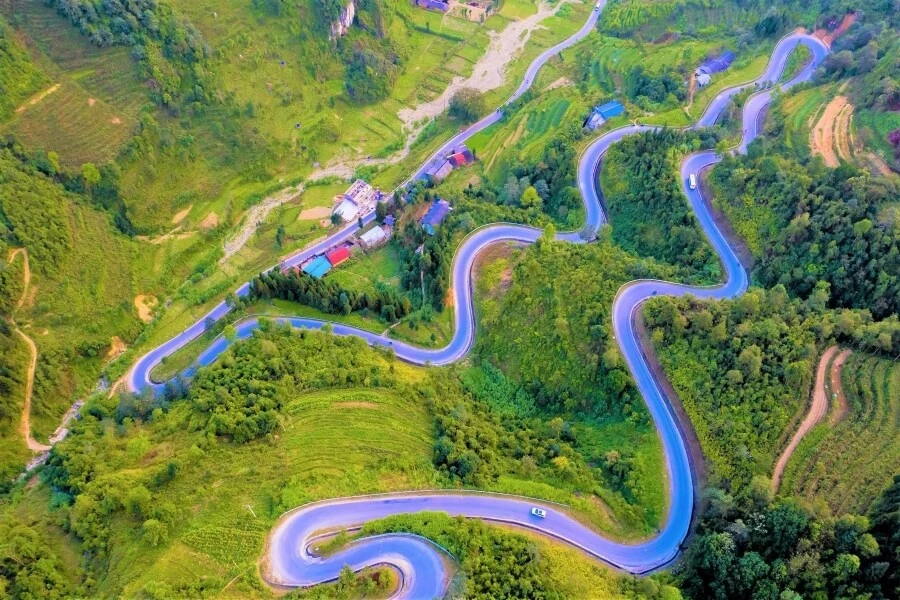
Ma Pi Leng Pass
Dong Van Karst Plateau:
This UNESCO Global Geopark showcases stunning geological formations.
A visit to Dong Van is also an opportunity to explore traditional markets, where you can witness the convergence of various ethnic groups.
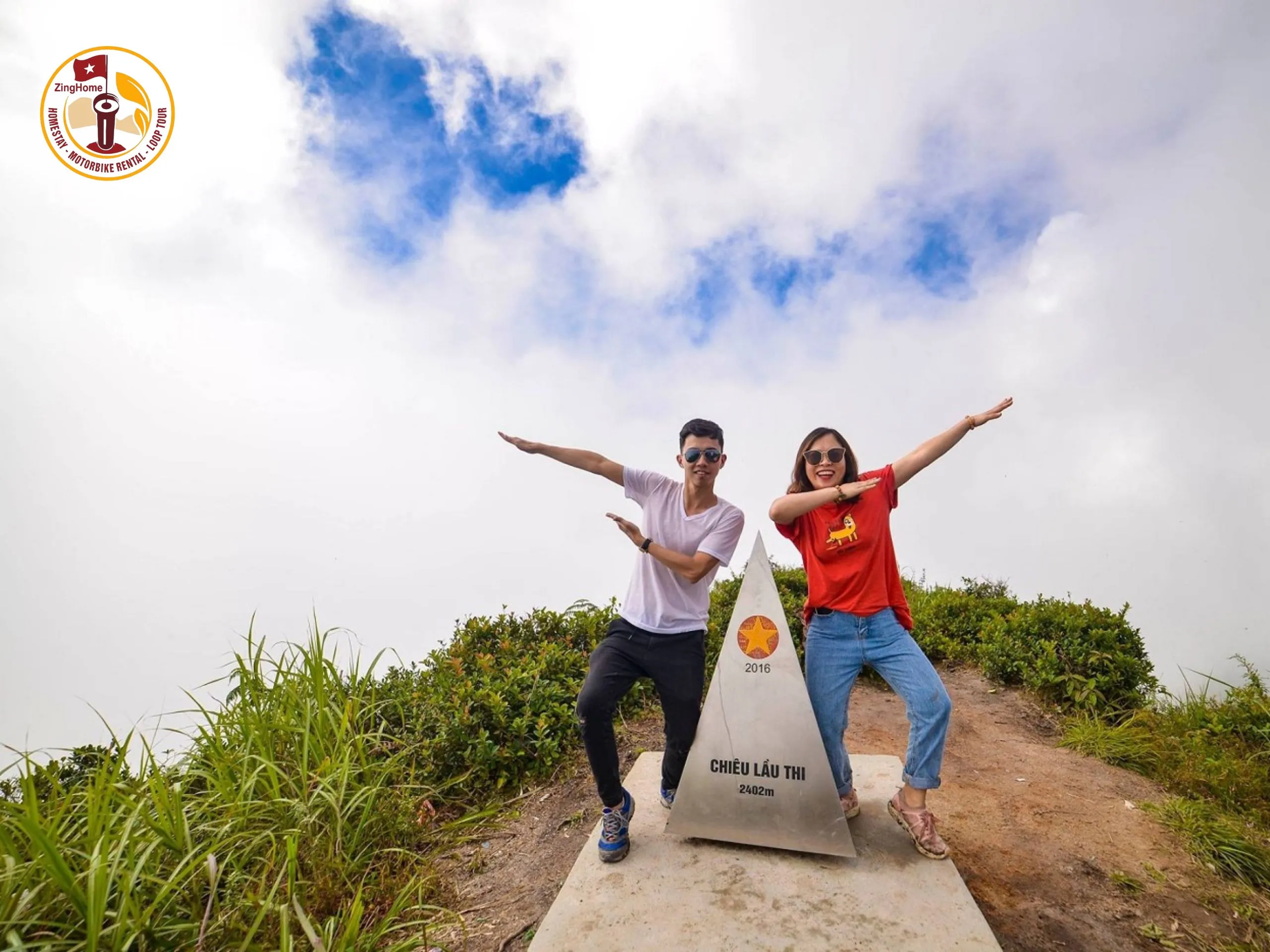
Lung Cu Flag Tower:
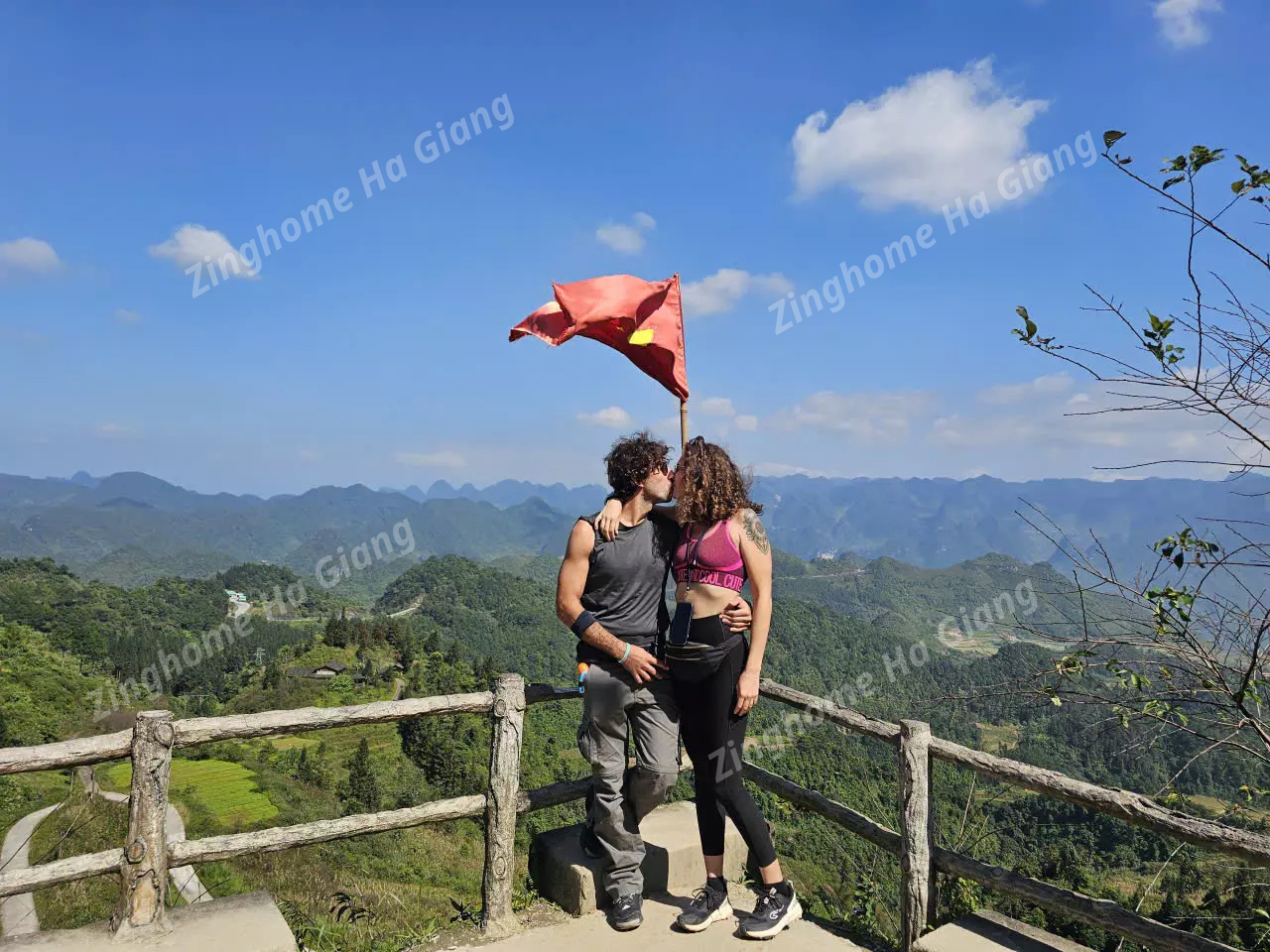
As the northernmost point of Vietnam, this site is significant for both its historical and political symbolism.
Climbing to the top not only offers a rewarding view but also allows visitors to appreciate the national pride embodied in the gigantic flag waving above.
Quan Ba Heaven Gate:
As you approach this stunning viewpoint along the Ha Giang Road journey, prepare to be mesmerized by the twin mountains known as “Fairy Bosoms.”
The breathtaking scenery here makes it a favored stop for many travelers.

Also known as “Heaven’s Gate,” this area is celebrated for its breathtaking panoramas and the famous Twin Mountains, symbolizing the beauty of Ha Giang
Ethnic Villages:
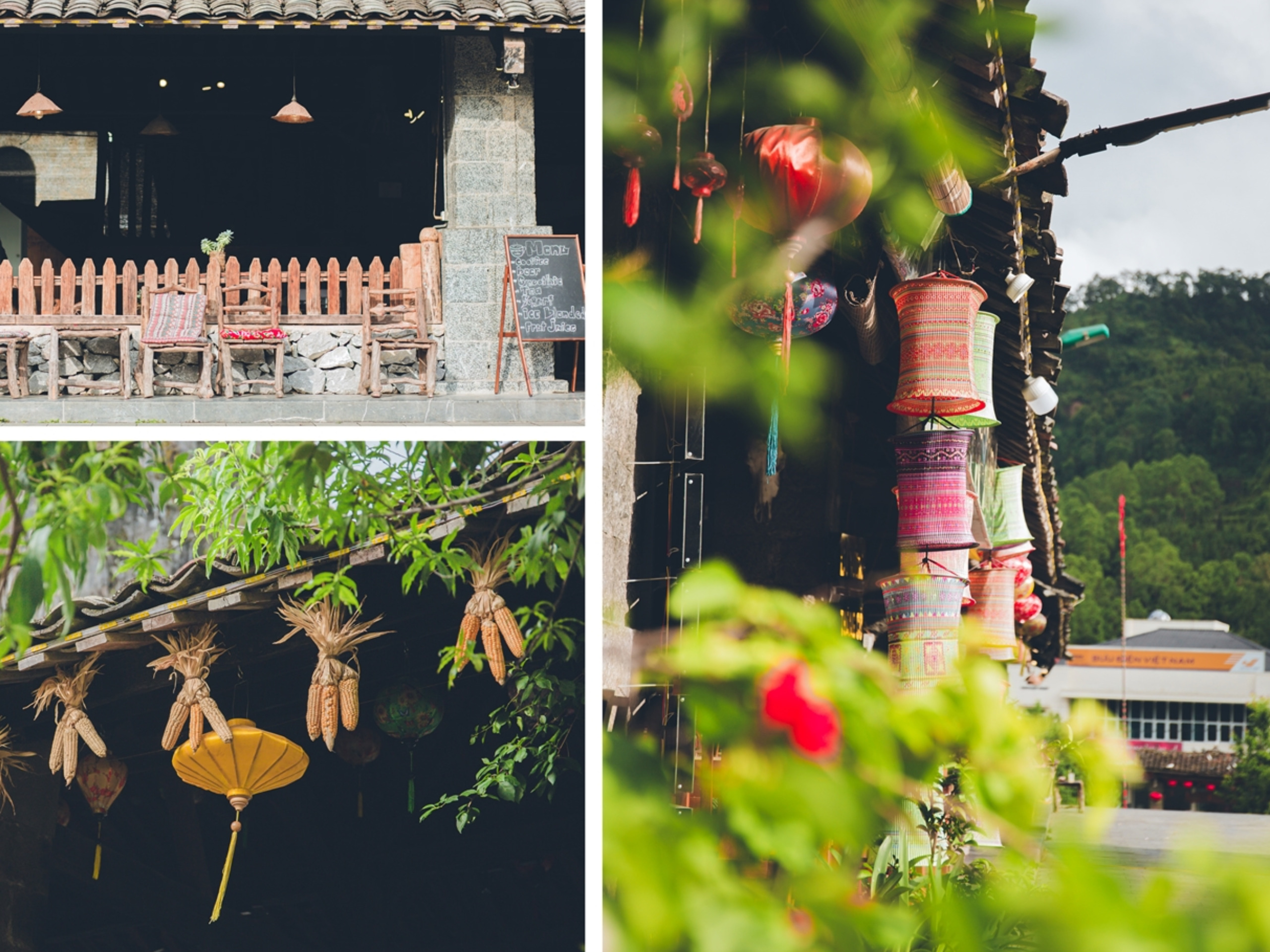
Along the route, you’ll find various villages inhabited by diverse ethnic groups like the Hmong and Dao.
These encounters can offer invaluable insight into traditional crafts, farming methods, and the daily lives of local people.
Best Time to Travel on Ha Giang Road
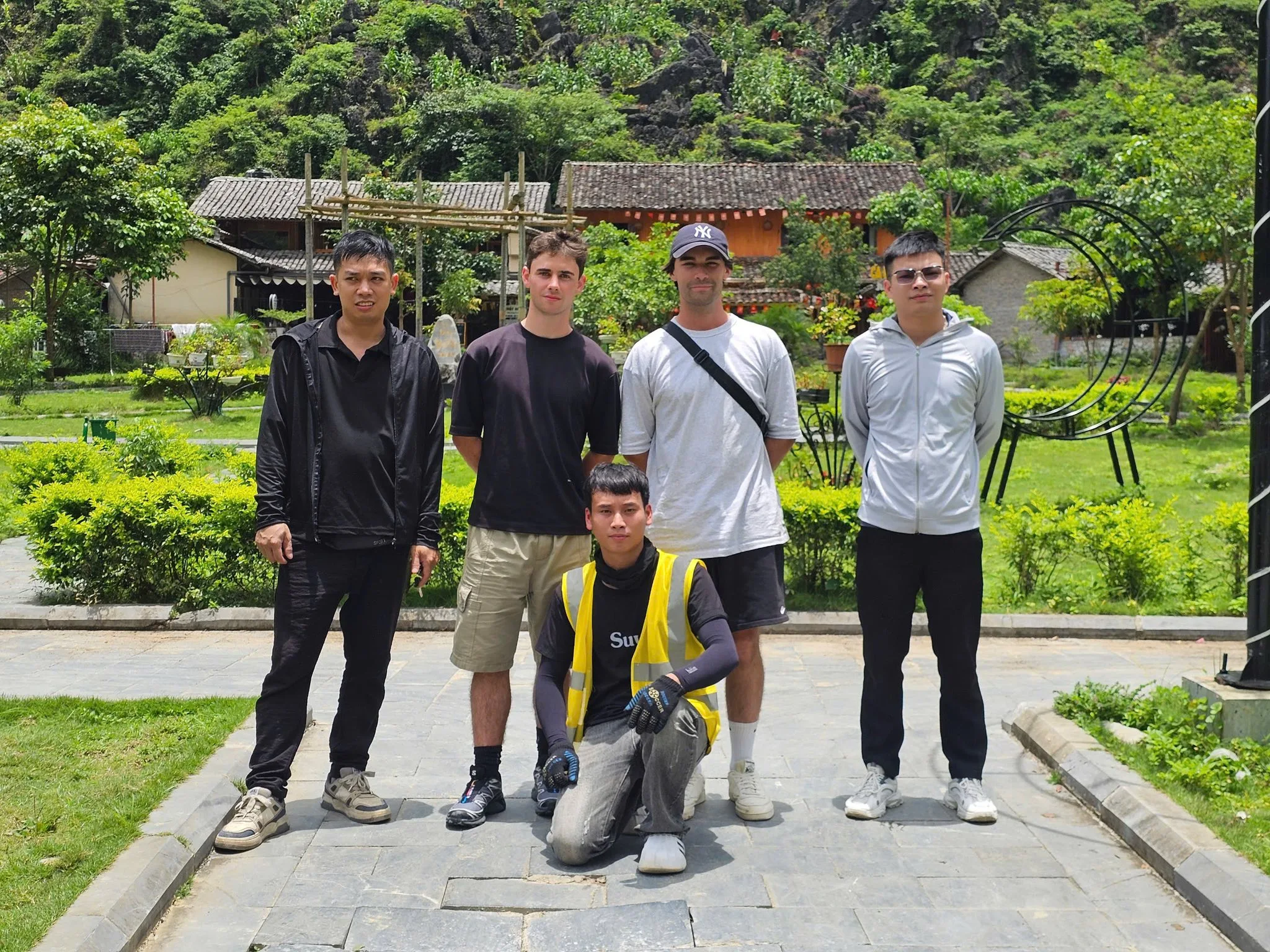
Whether you’re an experienced rider or a novice, the Easy Rider Ha Giang Loop option makes the journey accessible to everyone.
Choosing the right time to explore the Ha Giang Loop can drastically affect your journey and overall experience. The best months to travel are generally from September to November and March to May. Here’s why:
- Dry Season: During these months, the weather is typically dry and accessible for motorbike travel, helping you avoid muddy roads and unfavorable conditions associated with rainfall.
- Scenic Views: In September and October, rice fields turn from green to gold, providing stunning landscapes against blue skies. The views are ideal for photography, especially at sunrise and sunset.
- Cultural Festivals: This period often coincides with various ethnic festivals where you can witness local culture in full swing. Engaging in these festivals can provide depth to your understanding of the region’s heritage.
Safety Considerations While Traveling
Safety should always be a top priority when traveling the Ha Giang Loop, one of the most iconic journeys in Ha Giang Vietnam. With winding mountain terrain and unpredictable weather conditions along the Ha Giang Road, being well-prepared is essential. Here are critical safety tips to keep in mind:
Wear Proper Gear:
A well-fitted helmet is crucial, and wearing protective clothing can prevent injuries in case of an accident.
Check the Motorbike Condition:
Before hitting the road, inspect your bike thoroughly. Ensure brakes, lights, and tire conditions are optimal.
Take photos of your bike to document its initial condition before renting.
Understand Local Traffic Rules:
Familiarize yourself with traffic norms and be cautious, especially when riding alongside livestock or on narrow mountain paths of the Ha Giang Road route.
Plan Stops:
Avoid fatigue by planning several stops along the way. This not only helps you rest but also gives you time to appreciate the magnificent beauty of Ha Giang Vietnam.
Emergency Preparedness:
Carry a first-aid kit and essential tools for minor repairs. It’s a good idea to have local contact information for roadside assistance just in case.
Renting Motorbikes in Ha Giang
Exploring the Ha Giang Loop is best done by motorbike due to its flexibility. Renting a motorbike is straightforward, but proper preparation ensures a smooth journey. With many rental options available, the market caters to various budgets and preferences.

Renting Motorbikes in Ha Giang
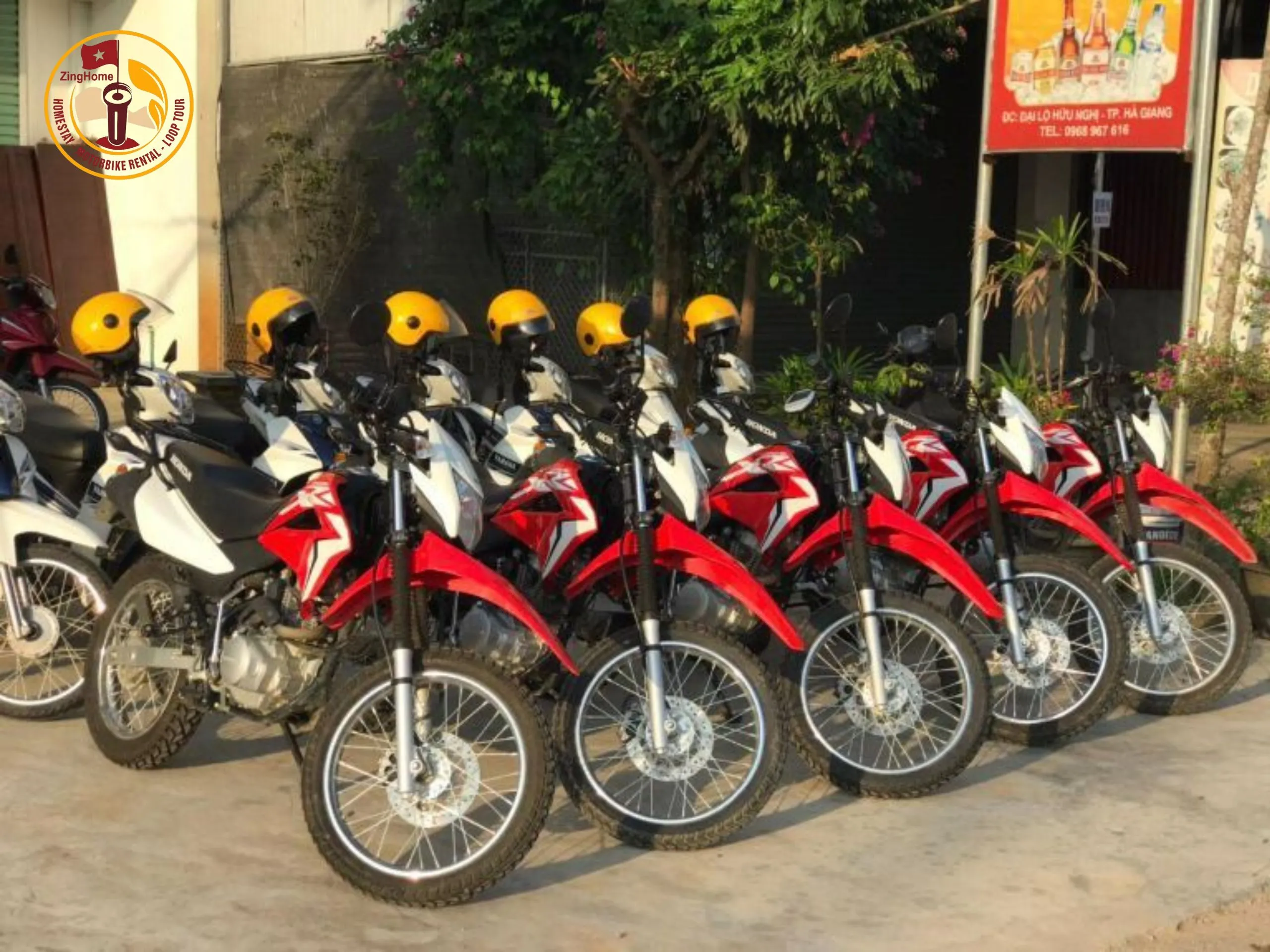
Types of Motorbikes Available for Rent
When renting in Ha Giang Vietnam, you’ll have access to a range of motorbikes suited for different skill levels and riding experiences. As any reliable Ha Giang Travel Guide will tell you, choosing the right bike is crucial for a safe and enjoyable journey. Here are the primary types:
Semi-Automatic Bikes:
Ideal for Beginners: These bikes are the easiest to handle, offering a comfortable riding experience for those new to motorbiking.
Typical Models: Honda Wave or similar models; they cost around 200,000 VND ($8) per day.
Manual Bikes:
For Experienced Riders: These bikes offer better control, making them suitable for tackling Ha Giang Vietnam’s more challenging routes.
Typical Models: Honda XR150, starting at around 300,000 VND ($12) per day.
Specialized Off-Road Bikes:
Best for Adventures: If you plan on exploring rugged terrain, specialized off-road models like the Honda CRF series are built to handle tough paths.
Typical Cost: Expect to pay around 550,000 VND ($24) per day.
Scooters:
For Urban Riding: While scooters may not be the best choice for all of Ha Giang’s rugged roads, they can be ideal for navigating more accessible and urban routes.
Typical Models: Automatic scooters starting from 150,000 VND ($6.50).
Tips for Choosing the Right Motorbike
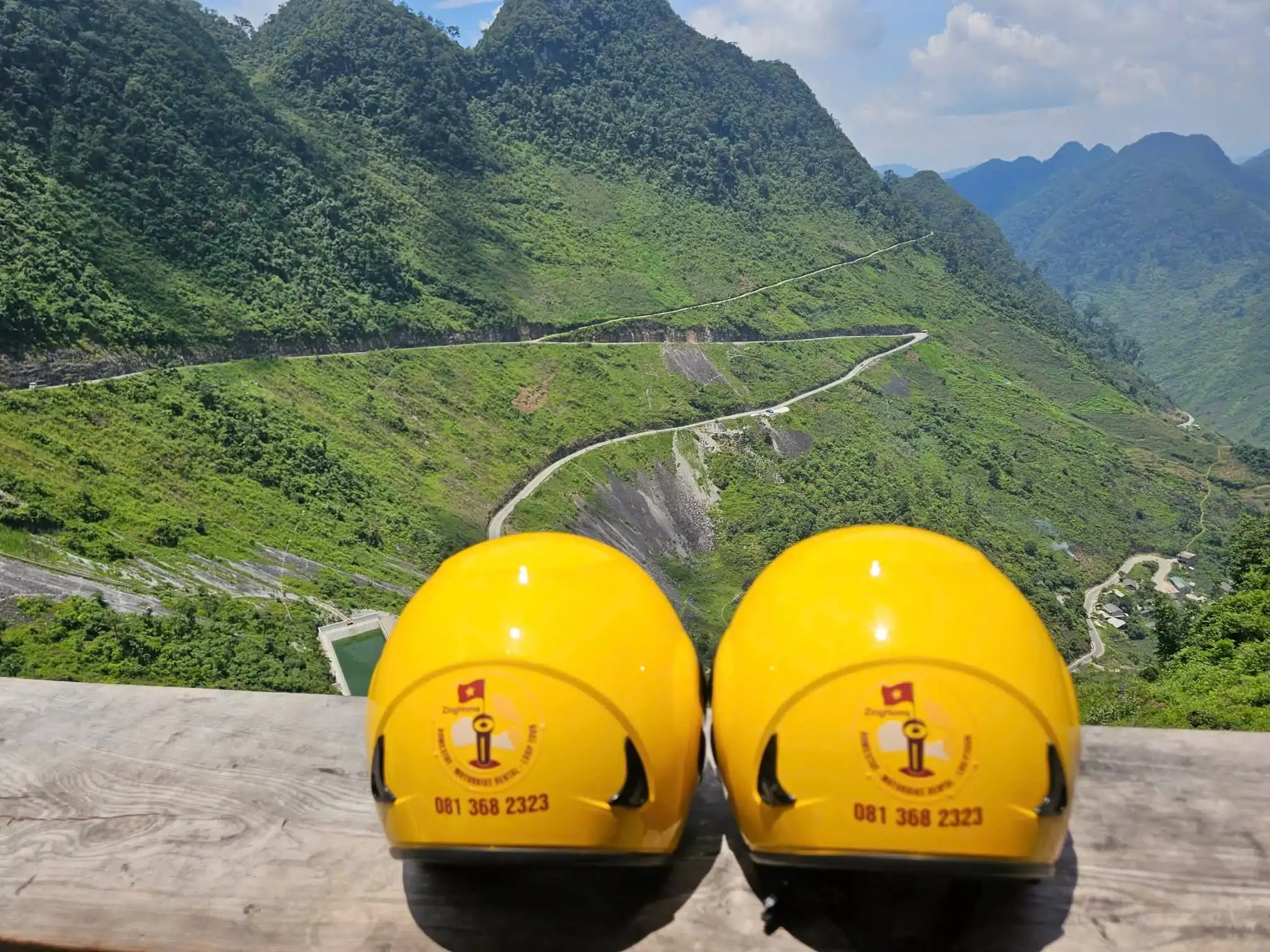
Tips for Choosing the Right Motorbike
Selection of the right motorbike is vital for enjoying your experience on the Ha Giang Loop. Here are some tips to guide your choice:
- Consider Skill Level:
- For inexperienced riders, opting for semi-automatic bikes is advisable. They are easier to handle, allowing you to focus more on enjoying the ride than worrying about clutch control.
- Bike Condition:
- Always inspect the bike for signs of wear or damage. Look closely at the brakes, lights, tires, and engine condition. It’s recommended to take it for a quick test drive before finalizing the rental.
- Comfort Features:
- Ensure the bike is comfortable for long rides. Check seat height and handlebar position, as these can significantly impact your riding experience.
- Insurance and Protection:
- Ask the rental shop if they offer insurance options. It’s wise to invest in coverage, as accidents can happen, especially in challenging terrains.
- Accessories:
- Equipment like GPS systems, helmets, and rain gear should also be considered. Sometimes, rental shops provide these extras for a small fee, ensuring your journey is as safe and enjoyable as possible.
Cost of Renting Motorbikes in Ha Giang
Understanding the cost implications of renting a motorbike will help you budget for your Ha Giang adventure. Here’s a breakdown of typical rental fees and other associated costs:
- Basic Rental Fees:
- Semi-Automatic Bikes: Typically range from 150,000 to 200,000 VND ($6.50-$8.50) per day.
- Automatic Bikes: Cost approximately 250,000 to 300,000 VND ($10-$12) per day.
- Specialized Off-Road Models: Such as the Honda XR150, cost around 550,000 VND ($24) daily, ideal for rugged terrains.
- Fuel Costs:
- Plan for additional expenses of about 300,000 – 400,000 VND ($12-$16) for fuel over a typical four-day loop, depending on your riding habits.
- Deposits and Insurance:
- Rental deposits typically range from 500,000 to 1,000,000 VND ($20-$40), refundable upon the bike’s safe return. Insurance, while optional, is recommended for peace of mind.
- Rental Duration:
- Longer rental periods might come with discounts. If you’re planning an extended stay, inquire about special rates.
Essential Tips for a Successful Journey
Having secured your motorbike, it’s time to delve into essential tips ensuring you enjoy a memorable journey through Ha Giang’s staggering landscapes.
Planning Your Route: Highlights and Stops
A well-planned route can transform your journey from good to unforgettable. Whether you’re exploring on your own or following suggested itineraries from Ha Giang tours 2025, here are a few highlights and stops to include in your travel plan:
Start in Ha Giang City:
Get acquainted with the local area and ensure your bike is ready for the adventure ahead. Take time to familiarize yourself with local regulations before riding deeper into Ha Giang Vietnam.
Head to Quan Ba Heaven Gate:
As your first stop, enjoy stunning views and take pictures of the iconic Twin Mountains.
Visit Dong Van:
Allocate ample time for this UNESCO Global Geopark, as the area is rich with natural beauty and cultural experiences.
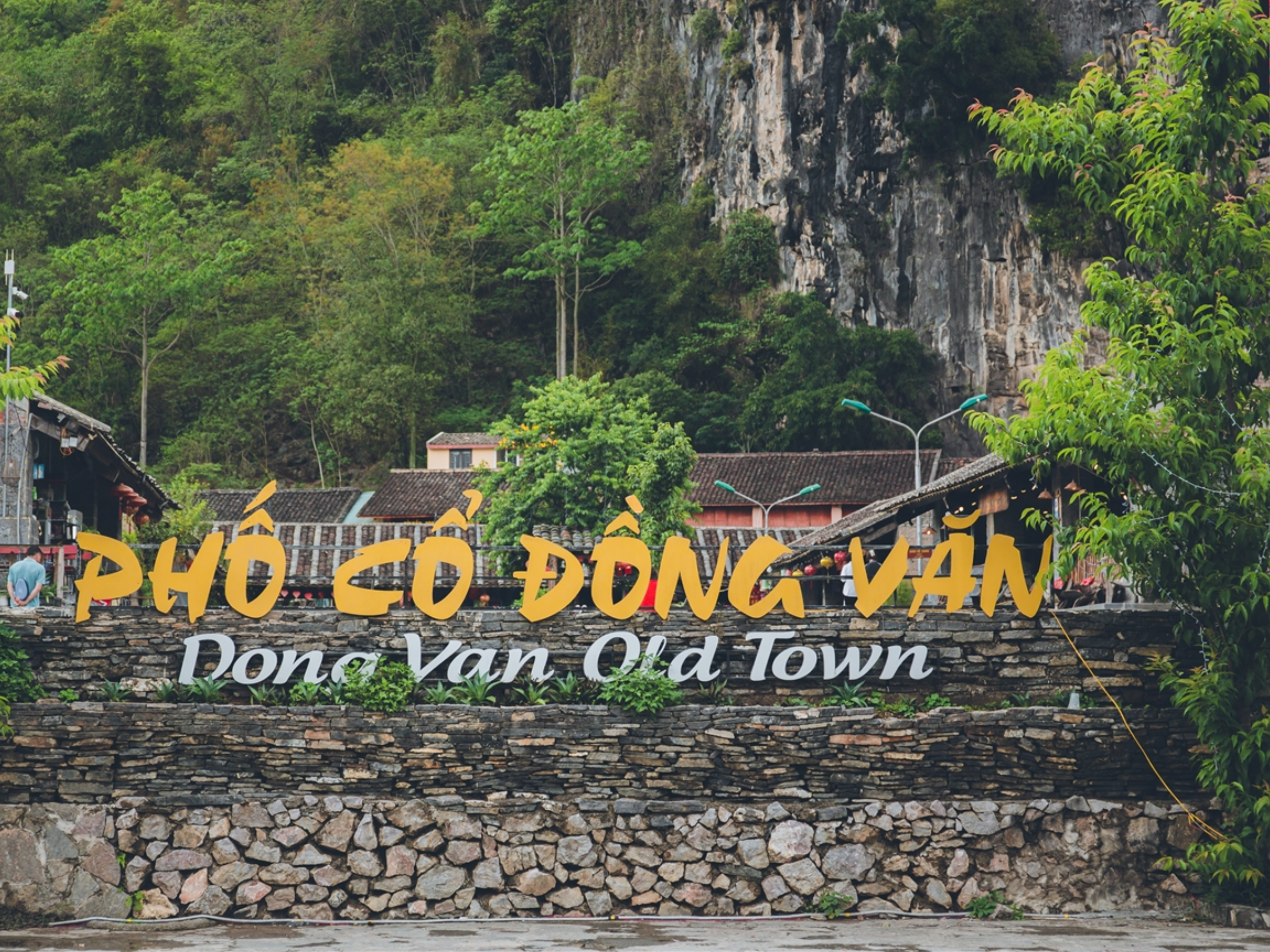
Dong Van Ancient Town – The soul of Ha Giang’s rocky Plateau introduction
Stop at Ma Pi Leng Pass:
Don’t rush through this breathtaking section. Take breaks at viewpoints to soak in the awe-inspiring cliffs and valleys—one of the top highlights recommended in many Ha Giang tours 2025.
Lung Cu Flag Tower:
Make this a meaningful final stop before returning. The flagpole offers panoramic views and a strong sense of national pride.
Planning these highlights will give you a mixture of culture, adventure, and scenic beauty, enriching your Ha Giang Vietnam experience significantly.
Packing Essentials for Your Ha Giang Adventure
What you pack can greatly influence the quality of your adventure along the Ha Giang Road. Here’s a focused packing list to ensure you’re well-prepared:
Clothing:
- Layered Outfits: Because the climate can vary widely on the Ha Giang Road, pack light layers such as breathable t-shirts, a warm jacket, and waterproof clothing.
- Comfortable Footwear: Sturdy riding boots make a big difference; flip-flops are useful when you’re off the bike.
Safety Gear:
A quality helmet is essential, along with knee and elbow pads for extra protection—especially if you’re less experienced navigating the curves and elevation changes of the Ha Giang Road.
Navigation Tools:
Prepare a reliable mobile phone and portable charger for maps and navigation, as signal strength can be weak in certain mountainous sections.
Hydration:
Carry a reusable water bottle with a built-in filter to ensure you always have clean drinking water.
First-Aid Kit:
Include basic supplies and personal medications so you’re ready for any minor setbacks along the journey.
These essentials can significantly elevate your comfort and safety while exploring the beauty and adventure that the Ha Giang Road has to offer.
Navigating with Maps and GPS in Ha Giang
Navigating the Ha Giang Loop requires a strategic approach, especially given the region’s challenging terrains and the possibility of weak mobile signal in Ha Giang Vietnam. Here are effective navigation tips to help you travel safely and avoid common issues often mentioned in discussions about Ha Giang Loop Accidents:
Download Offline Maps:
Always download maps for offline use before heading into the mountains. Popular apps like Google Maps allow you to mark crucial waypoints along your route.
Carry a Physical Map:
Although digital navigation is powerful, having a traditional map is a reliable backup. It becomes essential if your device runs out of battery or loses connectivity.
Mark Key Stops:
Use GPS to identify important stops, fuel stations, and scenic viewpoints in advance. This helps you plan efficiently and reduces unexpected challenges on the Ha Giang Vietnam roads.
Engagement with Local Knowledge:
Don’t hesitate to ask locals for directions. Their insights about the safest roads, weather conditions, and any potential hazards can be invaluable—especially for avoiding situations that may lead to Ha Giang Loop Accidents.
Plan for Emergencies:
Have a clear strategy in case you get lost. Keep contact details for your accommodation or motorbike rental so they can guide you if needed.
By preparing with these navigation strategies, you can explore with confidence throughout your Ha Giang Vietnam adventure and minimize risks on the loop.
Local Culture and Etiquette

When traversing the picturesque landscapes of Ha Giang, one must also embrace the rich culture and respectful etiquette that permeates this unique region.
When traversing the picturesque landscapes of Ha Giang, one must also embrace the rich culture and respectful etiquette that permeates this unique region.
Interaction with Local Communities
Engaging with local communities can significantly enrich your journey along the Ha Giang Road. Here are meaningful and respectful ways to connect with the people who call this region home—especially important given how unpredictable Ha Giang Loop Weather can sometimes slow your pace and give you more opportunities to interact:
Greet with a Smile:
Simple gestures such as smiling and saying “hello” in Vietnamese can go a long way in establishing rapport with locals.
Participate in Local Activities:
If you’re invited, join local festivities, farming routines, or traditional cooking sessions. These experiences encourage cultural exchange and deepen your understanding of daily life along the Ha Giang Road.
Support Local Crafts:
Purchasing handmade products directly from artisans not only supports their livelihood but also helps preserve traditional craftsmanship in the mountains.
Ask for Permission:
When taking photographs—especially portraits or images of sacred spaces—always ask first. Respecting privacy often leads to more genuine and memorable interactions.
These forms of engagement offer deeper insights into the lives, challenges, and traditions of local communities, making your adventure across the Ha Giang Road even more meaningful, no matter how the Ha Giang Loop Weather may change.
Respecting Traditions and Customs
Respecting local customs is vital for a harmonious experience when traveling along the Ha Giang Road. Here are some important customs and traditions to keep in mind, especially as you explore remote ethnic villages scattered across the Ha Giang Loop Roads:
Dressing Appropriately:
Modesty is key when visiting ethnic villages or sacred sites. Wearing long sleeves and pants shows respect and aligns with local expectations.
Be Mindful of Sacred Sites:
Maintain proper decorum in temples and religious locations. Speaking softly and observing local practices will be appreciated by the community.
Avoid Intrusions:
Be cautious about stepping into local rituals or cultural activities. It’s best to observe from a respectful distance unless locals invite you to join.
Cultural Sensitivity:
Learning a few basic greetings or phrases in local dialects can demonstrate respect and make interactions more meaningful during your journey on the Ha Giang Road.
Following these cultural protocols ensures that your experience is not only enjoyable but also respectful of the traditions that shape life throughout the Ha Giang Loop Roads.
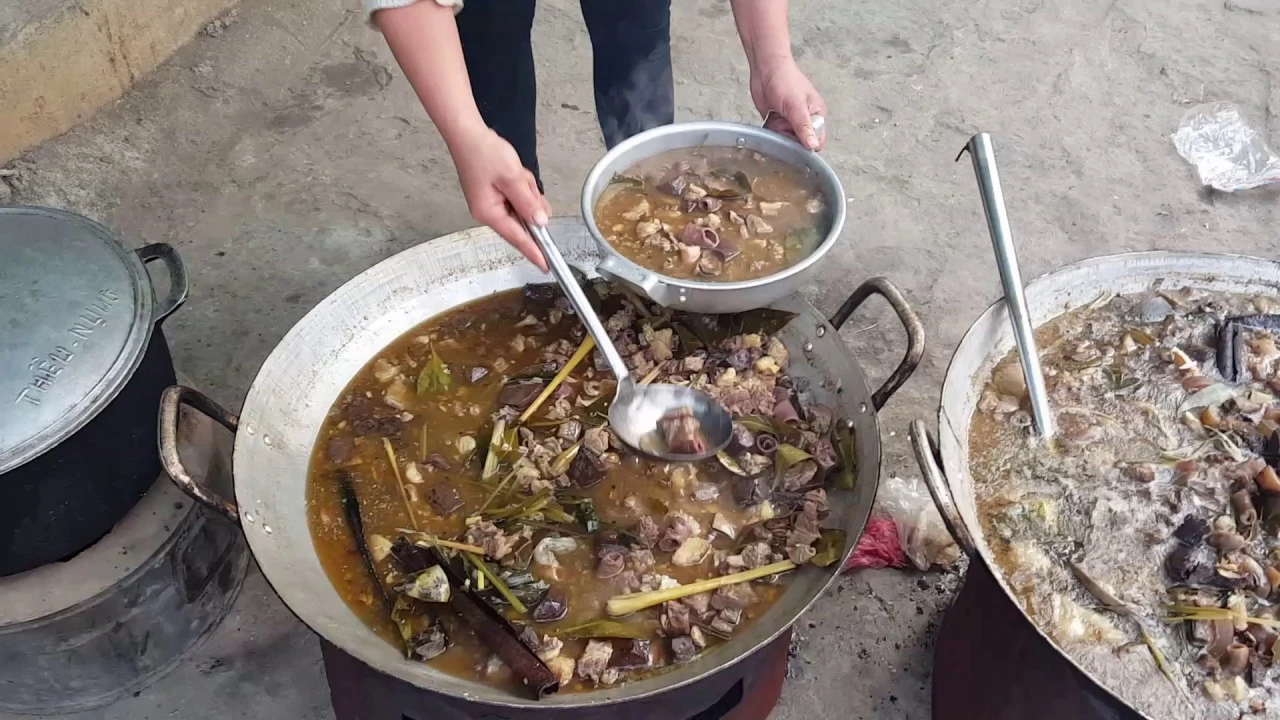
Thang Co, A traditional H’mong dish, Thang Co is a hearty stew made primarily with horse meat, complemented by a variety of flavorful herbs a must-try for the adventurous eater.
Comparison of Rental Services
As you prepare to embark on your journey, understanding your options for motorcycle rentals in Ha Giang can be crucial. Here’s an overview of the best-rated shops and comparisons between their services:
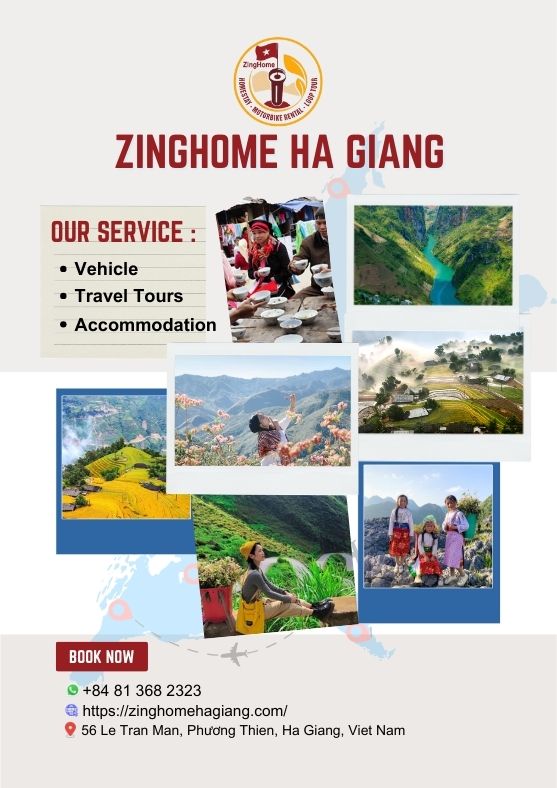
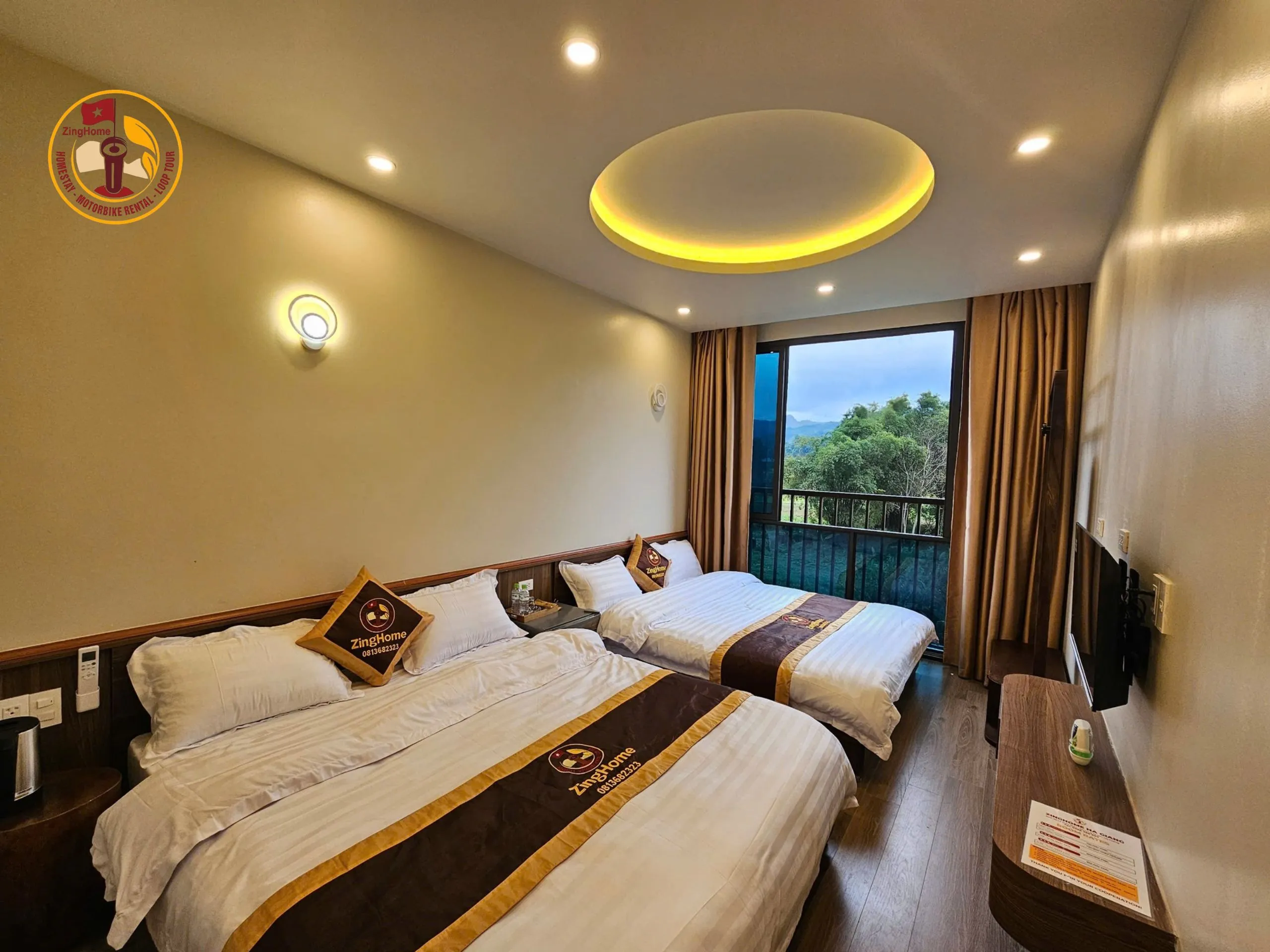
ZingHome Ha Giang – Motorbike Rental & Travel Service
Location: Conveniently located near Ha Giang City Center, making it easy for travelers to pick up their motorbike before starting the Ha Giang Loop.
Price: 150,000 – 200,000 VND per day (depending on the bike model).
Special Features:
- Well-maintained, powerful motorbikes suitable for the Ha Giang terrain.
- 24/7 roadside support throughout the loop.
- Friendly staff offering clear instructions for beginners.
- High-quality helmets, protective gear, and raincoats included.
- Free itinerary suggestions, route planning, and local recommendations.
ZingHome Ha Giang is highly rated by travelers thanks to its reliable bikes and exceptional service, ensuring a safe and unforgettable journey in Ha Giang.
Evaluating Rental Terms and Conditions
When renting a motorbike in Ha Giang, it’s essential to understand the terms and conditions laid out by rental services:
- Documentation Requirements:
- Ensure you have an International Driving Permit (IDP), as many rental shops require this for legal compliance and insurance purposes.
- Inspection Policy:
- Rental services generally encourage customers to inspect the bike before leaving the shop, which is a crucial step. Take note of existing damages and ensure all components function properly.
- Deposit Requirements:
- Be prepared to pay a deposit, typically ranging from 500,000 to 1,000,000 VND ($20–$40). Understand that this is refundable upon the return of the bike in good condition.
- Insurance Options:
- While rental insurance may be optional, it’s highly advisable to opt for coverage to mitigate risks associated with potential accidents or breakdowns.
- Return Policies:
- Check stipulations regarding the return of the bike, including deadlines and fuel levels. Some shops may require the bike to be returned fully fueled.
Conclusion on Planning Your Adventure
In closing, embarking on a journey along the Ha Giang Loop offers an unparalleled adventure filled with stunning landscapes, rich cultural experiences, and unforgettable memories. A well-planned trip encompasses not only the exploration of breathtaking vistas but also meaningful interactions with local communities and an appreciation for unique traditions.
Preparation is key, so ensure you equip yourself with essential tools such as offline maps, a well-maintained motorbike, and appropriate safety gear. By respecting local customs and engaging authentically with communities, you enrich your travel experience and foster mutual respect across cultures.
So, as you dive into this extraordinary adventure, remember that every winding road leads you not just towards spectacular scenery, but into the heart and soul of Ha Giang a remarkable journey awaits you!